Resources
Product Engineering
Application engineering, customization strategy, and integration guidance for frameless torque motors, drivers, and assemblies.
Use this category to review practical procurement and engineering patterns. Each article is written to reduce ambiguity in RFQ, validation, and production release decisions.
Instead of generic theory, these posts focus on what buyers can send, measure, and approve in supplier communication.
- Prioritize articles by your current decision stage: sizing, RFQ, or delivery.
- Reuse the checklists directly in buyer-supplier technical reviews.
- Carry the same acceptance criteria into sample and mass-production gates.
- Use the included tables as internal review artifacts.
In practical sourcing programs, this category is most useful when its article checklists are copied into internal review templates and then reused in supplier calls, sample sign-off notes, and PO release approvals.
Recommended Reading Pack
These articles are sorted by publish date and are intended to be used as reusable inputs for your engineering and procurement handoffs.
| Article | Primary Use | Next Step |
|---|---|---|
| Sourcing 800V+ Frameless Torque Motors: Insulation and RFQ Guide | Buyer-side decision and supplier communication alignment. | Convert checklist items into your RFQ or sample plan. |
| Integrating Frameless Torque Motors in IP67 and IP69K Washdown Environments: An Engineering and Procurement Guide | Buyer-side decision and supplier communication alignment. | Convert checklist items into your RFQ or sample plan. |
| 48V Frameless Torque Motors for Mobile Robotics: A Buyer's Selection Guide | Buyer-side decision and supplier communication alignment. | Convert checklist items into your RFQ or sample plan. |
| Frameless Torque Motor Sizing Mistakes: A Guide for Procurement and Engineering Teams | Buyer-side decision and supplier communication alignment. | Convert checklist items into your RFQ or sample plan. |
| Frameless Torque Motor Supply Chain: Navigating NDAA Compliance and Rare Earth Sourcing | Buyer-side decision and supplier communication alignment. | Convert checklist items into your RFQ or sample plan. |
| Frameless Torque Motor Stator Mounting Guide: Press Fit, Thermal Shrink, and Bonding | Buyer-side decision and supplier communication alignment. | Convert checklist items into your RFQ or sample plan. |
| Frameless Torque Motor Cooling Guide for Continuous Duty | Buyer-side decision and supplier communication alignment. | Convert checklist items into your RFQ or sample plan. |
| How to Select a Frameless Torque Motor for an OEM Direct-Drive Axis | Buyer-side decision and supplier communication alignment. | Convert checklist items into your RFQ or sample plan. |
| Hollow-Shaft Torque Motor Integration for Gimbals, Rotary Tables, and Precision Automation | Buyer-side decision and supplier communication alignment. | Convert checklist items into your RFQ or sample plan. |
| Robot Joint Motor Selection: Frameless Torque Motor Checklist for Cobot and Humanoid Actuators | Buyer-side decision and supplier communication alignment. | Convert checklist items into your RFQ or sample plan. |
Need project-specific guidance? Start from Contact / RFQ and include the article links your team is referencing.
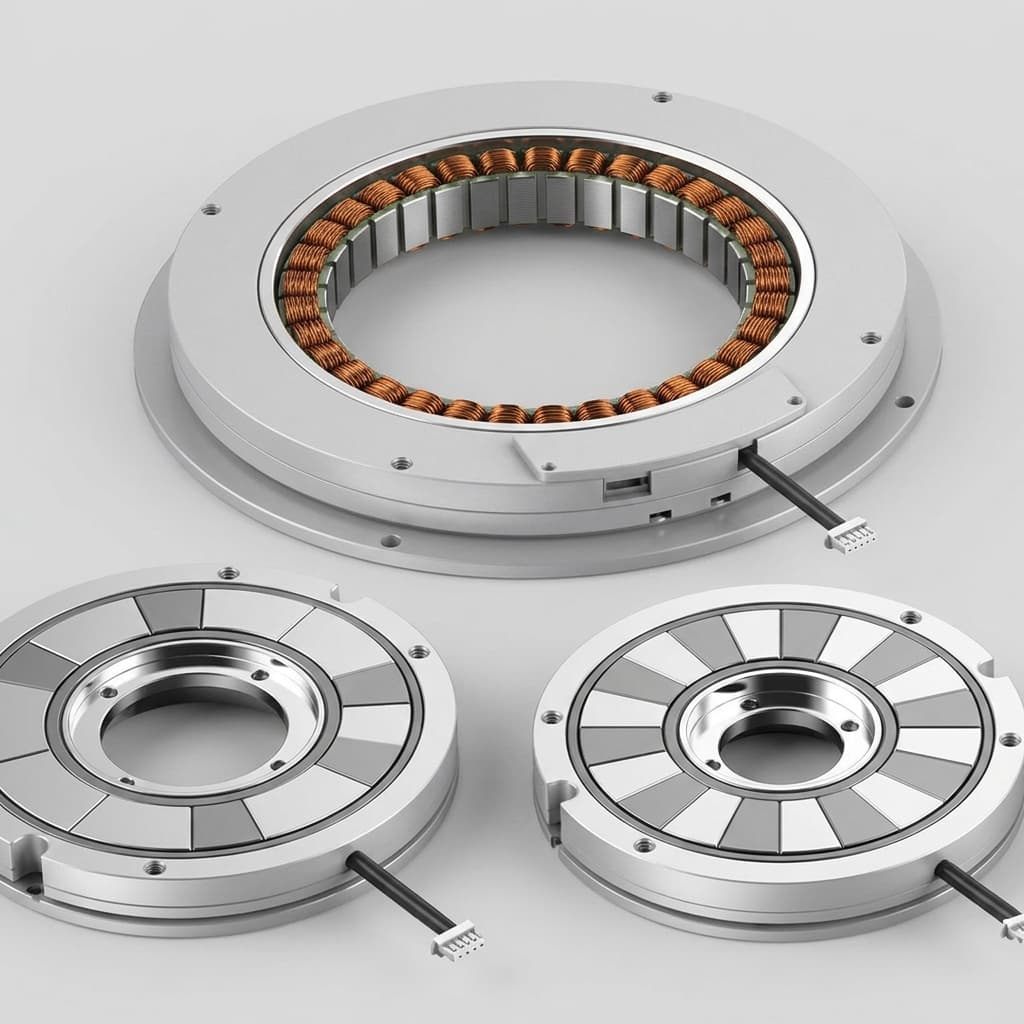
EngineeringProduct Engineering
Sourcing 800V+ Frameless Torque Motors: Insulation and RFQ Guide
Use this guide to source 800V+ frameless torque motors with clear insulation, PDIV, SiC inverter, and IEC evidence checks before high-voltage RFQ approval.

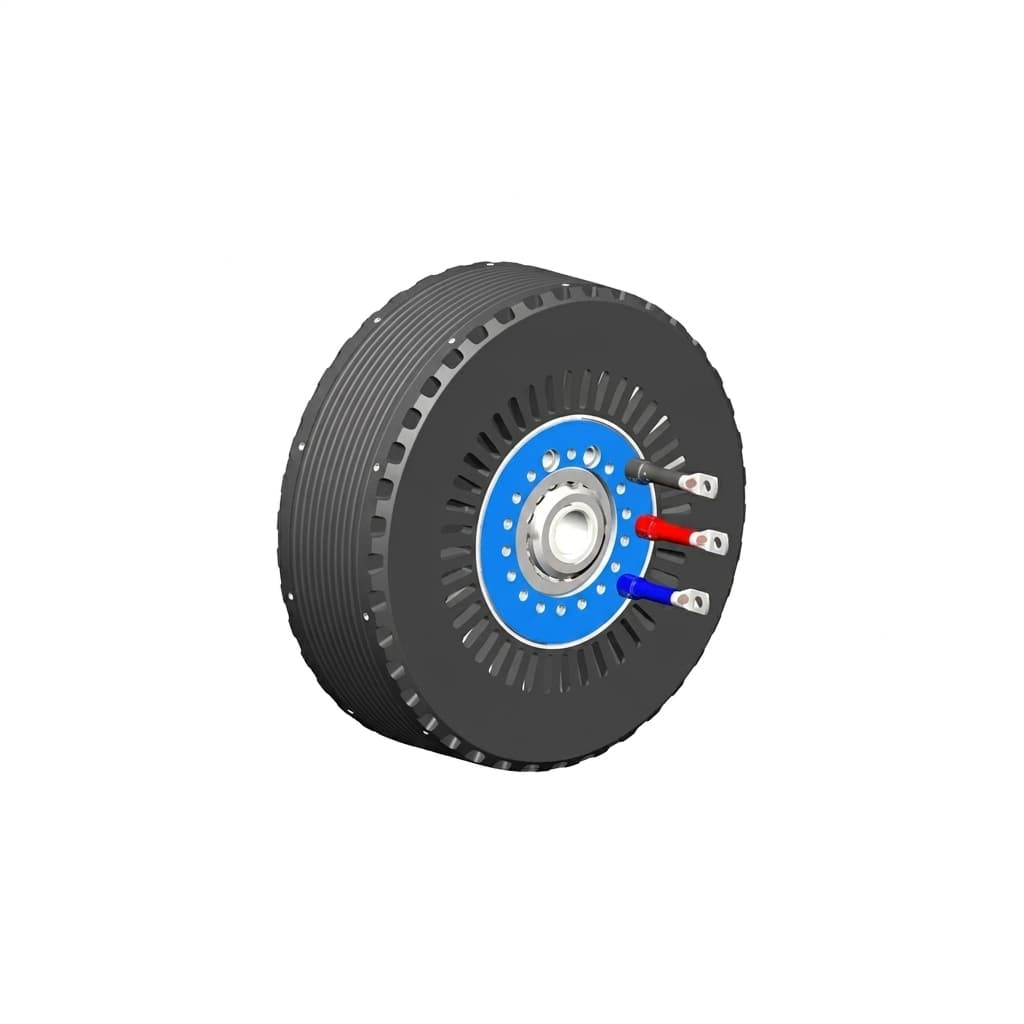
Buyer GuidesProduct Engineering
Integrating Frameless Torque Motors in IP67 and IP69K Washdown Environments: An Engineering and Procurement Guide
Compare IP67/IP69K housing choices for frameless torque motors, including derating, seal torque, potting, validation tests, and RFQ actions.
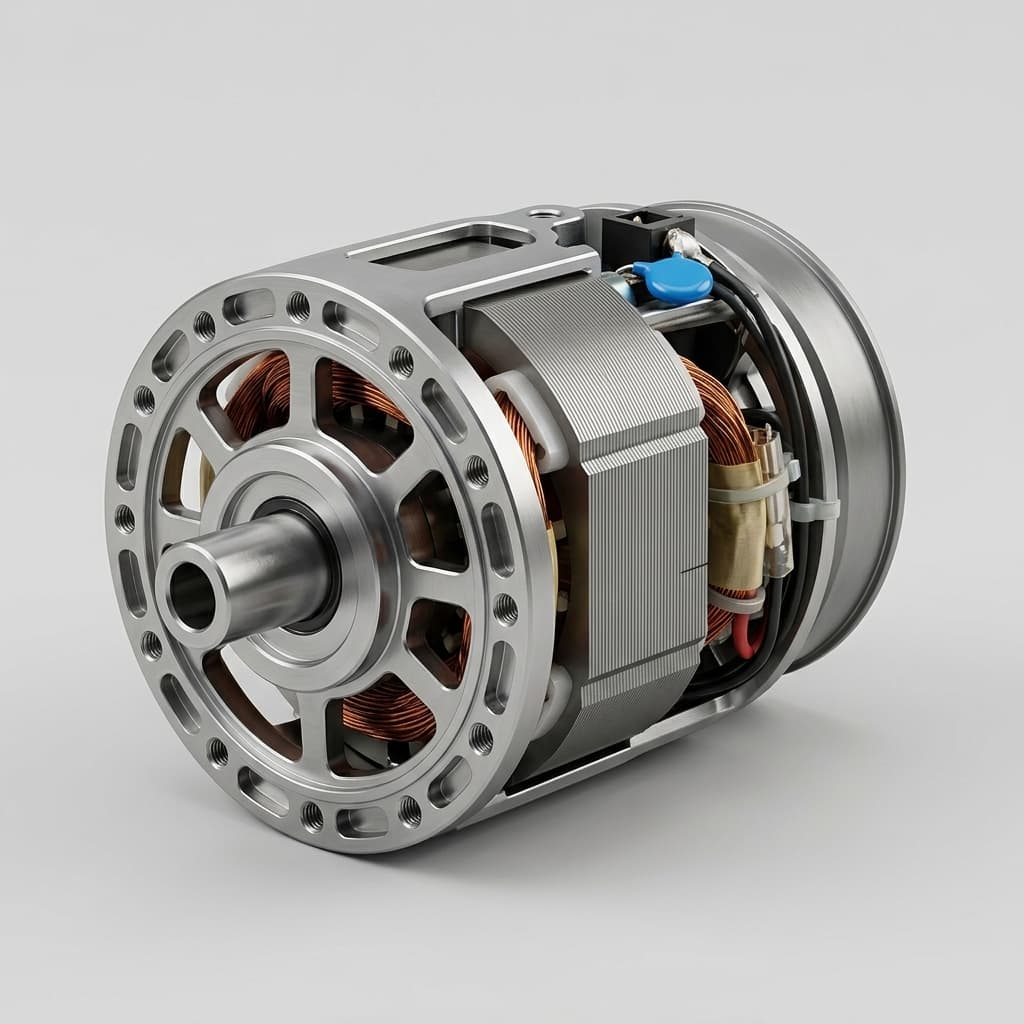
EngineeringProduct Engineering
48V Frameless Torque Motors for Mobile Robotics: A Buyer's Selection Guide
How to specify 48V frameless torque motors for AMRs, exoskeletons, and battery robots while balancing drive current, voltage sag, wiring, and thermal limits.
Buyer GuidesProduct Engineering
Frameless Torque Motor Sizing Mistakes: A Guide for Procurement and Engineering Teams
Avoid frameless torque motor sizing mistakes: align RMS torque, thermal path, winding, and drive limits before RFQ. Send real duty-cycle data for review.
Buyer GuidesProduct Engineering
Frameless Torque Motor Supply Chain: Navigating NDAA Compliance and Rare Earth Sourcing
A procurement guide for robotics OEMs evaluating NDAA-linked compliance, rare earth sourcing risk, and supplier vetting for frameless torque motors.
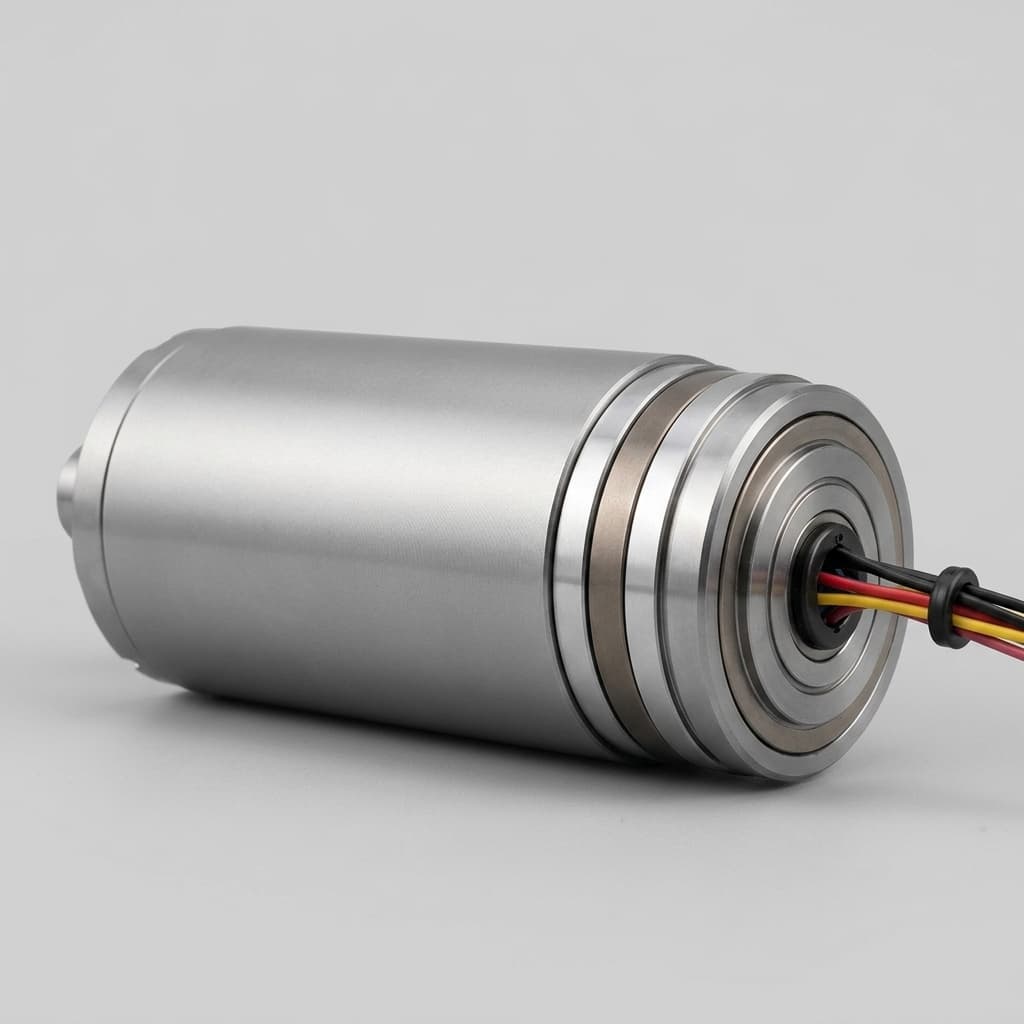
Buyer GuidesProduct Engineering
Frameless Torque Motor Stator Mounting Guide: Press Fit, Thermal Shrink, and Bonding
A deep dive into frameless motor stator integration. Compare adhesive bonding, thermal shrink fitting, and press fit methods for OEM robotics and industrial axes.